
Burj Al Nahda: A Modern Architectural Marvel in Dubai
Intro
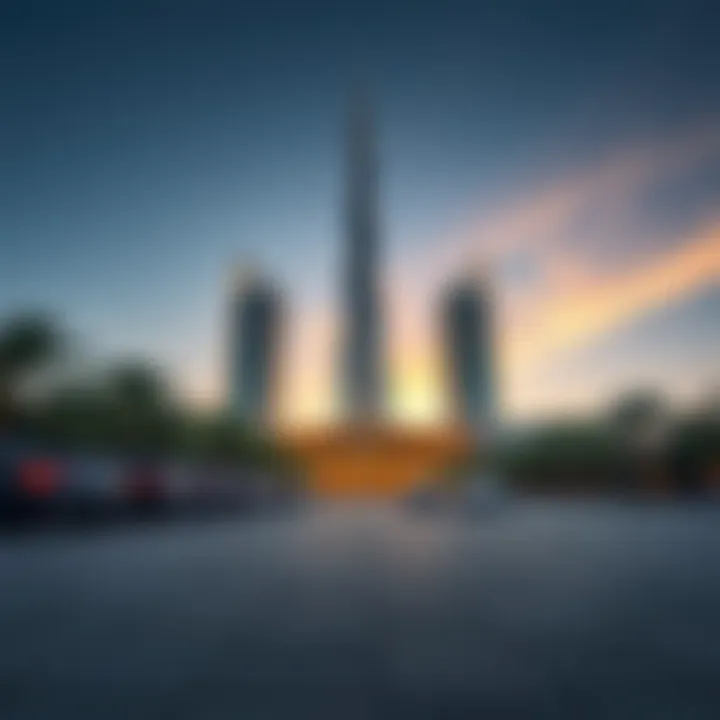
The Burj Al Nahda stands as a testament to Dubai's architectural innovation and its continual push towards modernity. This striking structure reflects not just the capabilities of contemporary engineering but also embodies the ambition of a city that refuses to rest on its laurels. Positioned strategically within the bustling landscape of Dubai, the Burj Al Nahda signifies more than its majestic height; it is an emblem of the future, infusing the skyline with a narrative of luxury, functionality, and cultural relevance.
Understanding the intricacies behind the Burj Al Nahda requires us to delve deeper into its architectural significance, examine its construction journey, and contemplate its current and future roles within Dubai's real estate market. This exploration isn't merely a study of bricks and mortar; it touches upon the essence of what modern living represents in the Gulf region, revealing how a building can influence lifestyle, investment opportunities, and neighborhood dynamics.
As we navigate through this in-depth examination, the insights gathered will serve as a guide for potential investors, discerning buyers, and property enthusiasts keen on understanding where the real estate market in Dubai is headed. With liquidity and opportunities in motion, the Burj Al Nahda emerges as a focal point for exploring both current trends and future predictions in property investment.
Thus, we invite you to embark on this insightful journey through the lifecycle of the Burj Al Nahda building—a landmark that encapsulates the spirit of Dubai's real estate sector. Its story is multifaceted, weaving together architectural beauty, market principles, and cultural narratives that enrich the broader conversation surrounding modern urban spaces.
Market Trends and Insights
Current Market Conditions
As Dubai continually attracts attention from worldwide investors, the current real estate landscape reflects a blend of stability and opportunity. The aftermath of the global pandemic spurred a remarkable recovery, evidenced by rising demand and renewed interest in both residential and commercial properties. Currently, this market experiences competitive pricing, with a concentration on luxury assets like the Burj Al Nahda, inherently linked to its significance in the city’s architectural framework.
In particular, neighborhoods surrounding the Burj Al Nahda have seen an uptick in property values as they become increasingly desirable, due to proximity to amenities, business districts, and cultural hubs. In this environment, one can witness the following dynamics:
- Increased interest in high-end property investments
- Surging demand for leasing premium apartments
- Gradual stabilization of market prices, enhancing buyer confidence
Future Predictions
Looking forward, the Burj Al Nahda is likely to remain a pivotal player in Dubai's property market. Analysts suggest that with the Expo 2020’s legacy fueling growth, the surrounding neighborhoods will continue evolving. Key indicators point to:
- Potential increases in property values as new infrastructure projects unfold
- More investments in commercial spaces catering to emerging businesses
- Growth in tourism driving demand for short-term rentals in luxury locations
"The Burj Al Nahda building does not just symbolize architectural prowess but also serves as a bellwether for investment opportunities in the Dubai real estate market."
In essence, the outlook for properties like the Burj Al Nahda suggests a vibrant, dynamic future that aligns well with both local and international interests in the area. Investors looking for safety and growth will find plenty of avenues ripe for exploration.
Investment Opportunities
Locations to Consider
When investigating potential investments, the locale can significantly influence the returns and lifestyle associated with a property. The areas surrounding the Burj Al Nahda present unique opportunities, each offering its own allure:
- Al Qusais: Known for its bustling markets and family-friendly environment, it appeals to both renters and buyers looking for community.
- Al Nahda: Proximity to the Burj Al Nahda enhances its appeal, showcasing new developments and ready-to-move-in properties.
- Dubai Creek: This area continues to thrive with ongoing developments that harmonize leisure with business, attracting diverse demographics.
Types of Properties Available
Investors can explore a variety of property types linked with the Burj Al Nahda's expansive architecture. Choices extend from luxurious apartments boasting panoramic views to commercial spaces designed for high-end business operations. Here’s a summary of what’s on offer:
- Luxury Condominiums: Featuring high-end finishes, wide terraces, and an array of amenities.
- Office Spaces: Designed for modern businesses wanting a prestigious address.
- Retail Units: Attracting foot traffic from residents and tourists alike, enhancing business viability.
In the landscape surrounding the Burj Al Nahda, diverse investment opportunities await those prepared to capitalize on a forward-moving market.
Prolusion to Burj Al Nahda
The Burj Al Nahda stands as a beacon of modern architecture, capturing not only the essence of Dubai's evolving skyline but also embodying the aspirations of those who envision luxury living intertwined with contemporary design. Its strategic location and remarkable stature resonate with the pulse of Dubai’s rapid development. This section delves into the fundamental significance of the Burj Al Nahda within the broader context of the city’s architectural narrative.
Overview of the Building
Completed in the last decade, the Burj Al Nahda stretches skyward with its eye-catching facade and innovative design elements that reflect both elegance and functionality. The structure rises prominently amidst a diverse urban landscape, drawing eyes from various angles. One of its most notable characteristics is its mixed-use aspect, accommodating both residential and commercial spaces under one roof, making it a brick-and-mortar representation of a modern urban lifestyle.
The building encompasses features that prioritize not only aesthetics but also the everyday needs of its inhabitants. Open spaces, extensive balconies, and panoramic views cumulatively create an inviting atmosphere that differentiates it from typical high-rises. Additionally, it serves as a model of smart building technology, offering residents amenities that align with their lifestyle while promoting a sense of community.
Significance in Dubai's Skyline
Dubai's skyline is a collage of towering skyscrapers, each contributing its unique identity to the urban tapestry. The Burj Al Nahda, however, carves out its own niche. Unlike structures vying for height superiority, this building focuses on harmonizing luxury with accessibility, which tends to resonate with a varied demographic, from young professionals to established families.
"The Burj Al Nahda is not just a part of Dubai's skyline; it actively shapes the way people engage with their surroundings."
The building's architectural design fosters a connection not just between its residents but also with the cultural fabric of the city. As the neighborhood evolves, the Burj Al Nahda symbolizes a shift towards integrating lifestyle choices with sustainability and innovative design.
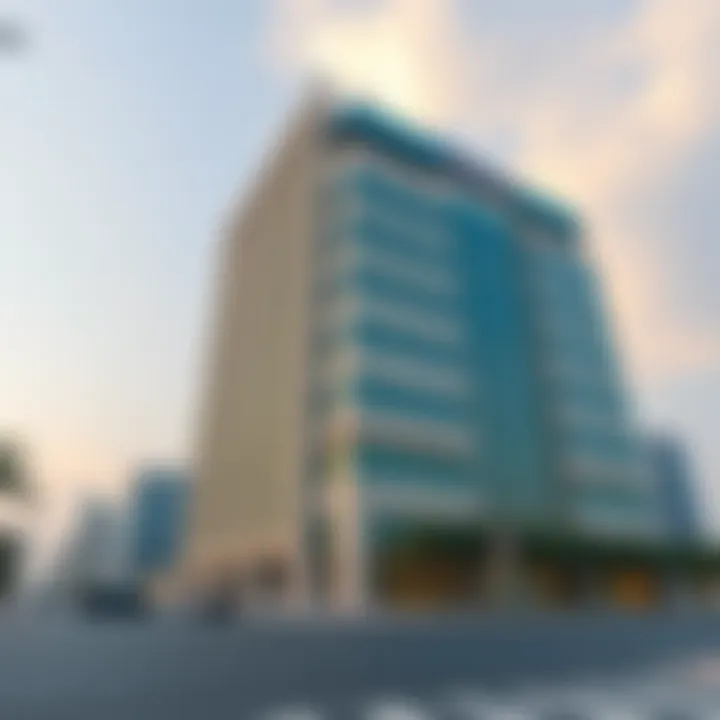
In summary, understanding the Burj Al Nahda is crucial for investors, developers, and anyone interested in Dubai's transformative landscape. The blend of design, functionality, and lifestyle enhancements makes it more than a mere structure; it is a local landmark that represents the aspirations of a forward-looking city. Its significance in Dubai's skyline is profound, making it a focal point for discussion and exploration in the realms of real estate and architectural excellence.
Architectural Design
The architectural design of a building speaks volumes about its identity and purpose. In the case of Burj Al Nahda, design isn’t just skin-deep; it represents a fusion of cultural values, aesthetic aspirations, and functionality. Architectural design takes center stage as it influences not only how a structure looks but also how it interacts with its environment and the people within. Understanding these elements is imperative for stakeholders like real estate agents, investors, and developers who seek to navigate the nuances of Dubai's soaring property market.
Design Concept and Features
The design concept behind Burj Al Nahda embodies a modern take on traditional Middle Eastern architecture, characterized by its sleek lines and innovative use of space. The building features a blend of symmetry and asymmetry, which gives it a unique silhouette against Dubai's skyline. The central atrium is particularly striking; it serves as a focal point that allows natural light to flood the interiors, ensuring a vibrant atmosphere.
Key features of the design include:
- The use of expansive glass facades, promoting energy efficiency while offering stunning views of the city.
- Open floor plans that encourage flexibility in both residential and commercial units.
- A multilayered exterior that reduces heat gain, enhancing overall comfort for residents.
These elements not only create a visually appealing structure but also cater to the practical needs of modern living and working environments.
Materials and Construction Techniques
The materials employed in the construction of the Burj Al Nahda reflect both durability and aesthetic appeal. High-quality concrete serves as the backbone of the structure, providing strength amid Dubai's windy climate. Additionally, the incorporation of premium glass not only elevates the building's look but also plays a crucial role in energy conservation.
The construction techniques utilized are noteworthy as well. State-of-the-art technologies and construction methodologies were employed to ensure the building's safety and longevity. This includes:
- Advanced prefabrication methods that expedite the building process while maintaining strict quality control.
- Geotechnical surveys that ensured the foundation could support the towering structure over the shifting sands of the desert.
It’s these thoughtful choices in materials and construction that set Burj Al Nahda apart from other developments in the region.
Eco-friendly Initiatives
As sustainability becomes a non-negotiable aspect of modern architecture, Burj Al Nahda rises to the occasion with its numerous eco-friendly initiatives. The building integrates green building practices which are increasingly essential for attracting environmentally conscious buyers and investors.
Some of these eco-friendly features include:
- Rainwater harvesting systems that collect rainwater for irrigation purposes, helping to reduce reliance on municipal water supply.
- Implementation of solar panels that generate renewable energy, contributing to lower energy costs for residents.
- Use of eco-friendly materials in both construction and interior design, promoting a healthier living environment.
These initiatives not only enhance the building's appeal but align it with Dubai's vision of becoming a sustainable and environmentally responsible city. Burj Al Nahda stands as a testament to how contemporary architecture can harmonize both modernity and sustainability.
Construction Timeline
Understanding the construction timeline of the Burj Al Nahda is vital for comprehending its place in Dubai's architectural narrative. This timeline encapsulates everything from the initial planning stages to the actual execution of the structure. By exploring this chronology, we can identify key milestones that distinguish Burj Al Nahda from other iconic buildings in the region. A closer look into this timeline reveals insights about the project's ambition, vision, and the hurdles faced during its development.
Planning and Development Stages
The journey began with the meticulous planning phase, a step often overlooked but crucial in translating an architectural dream into reality. The initial idea for Burj Al Nahda was born in the early 2010s, aligning with Dubai’s rapid growth trajectory. The developers aimed not only to build a high-rise but to create a landmark that would resonate with the city’s spirit.
Meetings and discussions took center stage as the design team collaborated with urban planners and engineers to sketch the building's framework. Detailed feasibility studies were conducted that took into account the location's unique urban fabric, demographic projections, and environmental factors. This thorough groundwork set the foundation for a project that would become a beacon of modern architecture.
- Regulatory Approvals: Navigating the bureaucratic landscape was no small feat. The team had to secure various approvals from Dubai’s municipality and other governing bodies, often engaging in back-and-forth discussions to ensure compliance with local regulations.
- Design Finalization: Eventually, after numerous revisions, the final design was approved. The architectural style drew inspiration from both Islamic motifs and contemporary trends, making it a hybrid yet quintessentially Dubai monument.
Challenges During Construction
Once the green light was given, it was go time. However, the road to completion was anything but smooth. Construction faced several challenges, a common reality in ambitious building projects.
- Weather Delays: The sweltering heat of the Dubai summer posed a significant obstacle. Labour performance dipped as temperatures soared, sometimes halting work altogether.
- Supply Chain Issues: Sourcing high-quality materials in a timely manner became a headache. Certain specialized construction materials had to be imported, leading to unexpected delays in the overall timeline.
- Technical Complications: During the implementation phase, unforeseen technical difficulties also arose. Some aspects of the eco-friendly features were more complicated to install than originally envisioned, requiring innovative problem-solving by the engineering team.
Despite these hurdles, the project management team triumphed through strategic planning and resourcefulness, quickly tackling each setback as it arose.
Completion and Opening Ceremony
The light at the end of the tunnel arrived in late 2019, when Burj Al Nahda was finally completed, marking it as one of the newest jewels in Dubai’s skyline. The grand opening was an extravagant affair, combining local cultural elements with international flair, symbolizing the unity between tradition and modernity.
- Ceremonial Events: The event featured local music, art exhibitions, and guided tours of the building, allowing attendees to appreciate the architectural marvel up close. It was a celebration not only of the structure itself but of the people and efforts that brought it to fruition.
"The Burj Al Nahda is more than a building; it is a testament to human ingenuity and a reflection of Dubai's aspirations for the future."

- Public Reception: The initial reception was overwhelmingly positive, as locals and tourists alike flocked to see the new addition, and the buzz ignited interest in living and investing in the surrounding areas.
Residential and Commercial Aspects
The Burj Al Nahda stands as a pivotal structure that merges residential and commercial functionalities, vital for supporting a thriving community within Dubai. This blend is not just a matter of practicality; it embodies a lifestyle choice that appeals to a broad spectrum of inhabitants, from affluent investors to young professionals. By examining the unit types, amenities, and market trends, one can grasp the overall significance of this building in the real estate landscape.
Unit Types and Layouts
At the Burj Al Nahda, there's something for everyone. The residential units range from cozy one-bedroom apartments to spacious four-bedroom penthouses. These varied options accommodate diverse preferences and budgets.
The layouts are thoughtfully designed to maximize space and light. Large windows offer stunning views of the surrounding landscape, fostering a sense of openness. Each unit comes equipped with modern interiors, efficient kitchen arrangements, and ample storage—factors crucial for urban living.
For instance, the three-bedroom units are ideal for families, featuring open-plan dining and living areas that promote togetherness while still allowing space for individual activities. Meanwhile, the one-bedroom apartments could suit professionals seeking a comfortable yet stylish living arrangement without breaking the bank.
Amenities and Services Offered
Amenities at Burj Al Nahda are truly impressive. It's almost as if the building is a small city unto itself. Residents enjoy recreational facilities including:
- A well-equipped fitness center
- Multiple swimming pools
- Children's play areas
- Landscaped gardens which provide a serene retreat amid the hustle and bustle of city life
Additionally, residents can access essential services like 24/7 security, concierge services, and maintenance, creating a worry-free living environment. These attributes foster a sense of community, drawing people to not only live but thrive within these walls. Convenience stores and cafes located on the ground floor add to the sense of accessibility and ease, making daily errands a breeze.
Market Prices and Investment Potential
When it comes to the real estate market, Burj Al Nahda offers a mixed bag. Depending on the unit type, prices can range widely—from a competitive starting price for smaller units to premium market value for larger ones. Investors looking at metrics should consider the following:
- Return on investment: Given the high demand for residential properties in Dubai, the rental yields here can be quite attractive.
- Property value appreciation: With ongoing developments in the surrounding area, property values are projected to rise, making it a potentially lucrative investment.
- Rental figures: Units in Burj Al Nahda often command premium rents, adding to their allure for investors.
The developments surrounding Burj Al Nahda further amplify its investment potential. As infrastructure expands and more commercial hubs emerge in the vicinity, the likelihood of continued market growth seems promising. It’s worth noting that investing here not only offers potential for financial gains but also positions investors within a vibrant, modern community that reflects Dubai's ambitions for the future.
"Investing in Burj Al Nahda means more than acquiring a property; it's about becoming part of an evolving urban narrative that intertwines luxury with livability."
In summary, the residential and commercial aspects of Burj Al Nahda create a compelling case for potential buyers and investors. With a blend of diverse unit options, top-notch amenities, and a sound investment outlook, this building plays a central role in Dubai's fast-paced real estate scene.
Neighborhood Insights
Understanding the neighborhood surrounding Burj Al Nahda provides critical insights into its overall value and significance in Dubai's bustling landscape. Located in the emirate of Dubai, this area is not just a backdrop but a dynamic part of the building's appeal. The neighborhood encapsulates a blend of modernity and culture, creating an attractive proposition for potential investors and residents alike.
Surrounding Infrastructure and Facilities
Burj Al Nahda is nestled in a location rife with conveniences that support everyday living. Several key infrastructures surround the building:
- Transportation Links: The area boasts seamless connectivity to Dubai's expansive public transportation network, including the Dubai Metro, bus services, and easy access to major highways such as Sheikh Zayed Road.
- Shopping Arenas: Nearby, residents can enjoy shopping experiences at well-known malls like Sahara Centre and Al Ghurair Centre, catering to diverse retail needs.
- Health Facilities: Access to quality healthcare is paramount. Hospitals and clinics, such as Emirates Hospital and Aster Clinic, are within a stone’s throw, ensuring that residents can receive top-notch medical care whenever needed.
This robust infrastructure enhances the liveability of the neighborhood, making it appealing to families, professionals, and retirees alike.
Impact on Local Real Estate Market
The presence of Burj Al Nahda is not just a landmark; it also influences the local real estate dynamics. As an architectural marvel, the building elevates the perceived value of the entire district. Here are a few effects observed on the local real estate market:
- Property Value Growth: Properties in close proximity have seen a steady increase in value. Investors often seek out neighborhoods near iconic buildings, and Burj Al Nahda has become a focal point for such interest.
- Rising Demand: The modern design and high-quality amenities offered in the area have spurred a surge in demand for residential and commercial properties. New developments continue to emerge, enhancing the variety and availability of living options.
- Attracting International Investors: The building’s stature draws in foreign investments, creating an economically vibrant atmosphere conducive to further developments and infrastructure improvements.
Cultural and Social Environment
The cultural fabric of the neighborhood surrounding Burj Al Nahda adds another layer to its appeal. It’s essential to recognize how this environment shapes community interactions and lifestyle:
- Diverse Community: Dubai is known for its melting pot of cultures, and Burj Al Nahda exemplifies this rich diversity. Residents hail from various backgrounds, fostering an inclusive community environment.
- Cultural Events: There are often local events and programmes that celebrate cultural heritage, offering residents and visitors a chance to engage and connect.
- Social Amenities: The vicinity features parks, cafes, and recreational spots like Al Nahda Park, which encourage social interaction and community bonding, crucial for a holistic living experience.
The amalgamation of these cultural and social elements not only enhances the lifestyle of the residents but also makes the neighborhood more appealing to prospective buyers and investors.
"A vibrant neighborhood is not just a backdrop; it nurtures a community where connections thrive and lives are enriched."
This comprehensive understanding of the neighborhood highlights its importance in making Burj Al Nahda not merely a building but a thriving part of a community that embodies modern living in Dubai.
Comparative Analysis with Other Iconic Structures
Examining the Burj Al Nahda alongside other landmark buildings in Dubai sheds light on its unique position in the city’s architectural narrative. A comparative analysis unveils not only the design philosophies but also the cultural, economic, and social implications these structures embody. By understanding what sets the Burj Al Nahda apart from its towering contemporaries, investors and enthusiasts gain a nuanced perspective that enhances their appreciation of the Dubai skyline.
Burj Khalifa
Often referred to as the crown jewel of Dubai, the Burj Khalifa stands as the tallest structure in the world, boasting an impressive height of 828 meters. While the Burj Al Nahda captures the essence of modern living with a commitment to community, the Burj Khalifa exemplifies ambition and grandeur on an astronomical scale. Its distinctive spire and innovative design by Adrian Smith resonate across the globe.
A qualitative assessment between the two shows differences in purpose. The Burj Khalifa is primarily a mixed-use skyscraper emphasizing luxury and tourism, whereas Burj Al Nahda ardently focuses on residential and commercial harmony, creating a cozy yet sophisticated atmosphere.
This resonates with potential buyers who often look for livable spaces instead of mere landmarks.
Dubai Marina Towers
Another noteworthy comparison can be drawn with the Dubai Marina Towers, which radiate a blend of luxury, leisure, and modern living. The Marina Towers cater decidedly to the affluent crowd, with high-rise living overlooking picturesque waterfronts. The Burj Al Nahda, in contrast, positions itself differently—focusing on practicality alongside elegance, thus appealing to a broader demographic.
Both complexes are remarkable in terms of amenities, but Burj Al Nahda offers a balanced fusion of contemporary design with accessibility, making it attractive for both investors and residents looking for a community feel amidst the urban sprawl.
The Address Downtown Dubai
The Address Downtown represents a paradigm shift in luxury hospitality and lifestyle, with its stunning vistas of the Burj Khalifa and the Dubai Fountain. It underscores a penchant for high-end leisure whereas Burj Al Nahda is tailored more towards the practicalities of everyday living. Each structure caters to different segments of the market, ultimately enriching the city's real estate portfolio.
Burj Al Nahda stands tall as a robust community hub, amplifying the residential living experience while ensuring access to commercial facilities and social amenities. This is crucial for those looking to blend work and life seamlessly in a vibrant urban context.
"In comparing the Burj Al Nahda with its iconic peers, one observes that it embodies a harmonious blend of lifestyle, convenience, and modern elegance that set it apart in Dubai's ever-evolving architectural landscape."
As investors assess the potential of various properties, the unique characteristics of the Burj Al Nahda—when highlighted against these notable counterparts—creates a compelling argument for its place in Dubai's dynamic cityscape.
Future Developments and Trends
The dynamism of Dubai's skyline reflects a broader narrative of growth and transformation, where the Burj Al Nahda stands prominently as a testament to modern architectural ideals. As we gaze into the future, understanding the projected developments around this iconic structure becomes essential. Not only does it illuminate how urban landscapes evolve, but it also reveals potential investment opportunities and the ecological commitments that are increasingly taking center stage in real estate discussions.
Urban Expansion Projections
Dubai is on a relentless journey of expansion, with every corner melding innovation and luxury. The urban spread of developments surrounding Burj Al Nahda is not merely a physical expansion; it signifies a shift toward more integrated living environments. The rise of mixed-use spaces is a prominent trend. These spaces combine residential, commercial, and leisure areas to create vibrant communities.
Some key projections for the area include:
- Increased residential units: New residential properties are being planned or constructed, appealing to potential investors and families alike.
- Enhanced infrastructure: Upgrading public transportation and road networks facilitates better connectivity, benefiting existing and future residents.
- Green spaces: Future projects are increasingly incorporating parks and recreational areas, enhancing the quality of life and sustainability of urban living.
This evolution manifests not just as bricks and mortar but as a vision of a community where modern living harmonizes with everyday amenities. The Burj Al Nahda is positioned to be at the heart of this development, making it a focal point for both residents and investors aiming to capitalize on the changing landscape.
Sustainability Trends in Dubai Real Estate
As the conversation around climate change intensifies, Dubai is at the forefront of integrating sustainability into its real estate fabric. The Burj Al Nahda’s future developments will undoubtedly mirror this growing focus on sustainable practices, echoing the global call for eco-friendly architecture.
Several key aspects include:
- Renewable Energy Sources: Emphasis on solar energy and wind power for new developments is becoming commonplace, aligning with Dubai's vision for a greener future.
- Sustainable Materials: Builders are increasingly incorporating recycled and environmentally friendly materials, reducing the overall carbon footprint of constructions.
- Smart Technologies: Integration of smart home technologies that monitor energy consumption and optimize resource use will enhance the living experience while promoting sustainability.
In summary, understanding the future developments and trends surrounding the Burj Al Nahda is pivotal for anyone looking at the evolving landscape of Dubai's real estate. The blend of urban expansion and sustainability efforts not only enhances the appeal of the building but also signals a forward-thinking approach that benefits residents, investors, and the environment at large. As we march forward, those who keep their finger on the pulse of these developments will no doubt find themselves at an advantage in this flourishing market.
Epilogue
The conclusion serves as the overarching synthesis of insights presented in this article, providing a comprehensive wrap-up of the Burj Al Nahda's multifaceted significance and its implications for the future in Dubai's architectural landscape. Not only does this skyscraper stand as a testament to modern engineering, but it also embodies the evolving character of Dubai, interweaving elements of luxury, sustainability, and functionality.
Summary of Key Insights
In reviewing key points discussed, it becomes clear that the Burj Al Nahda is much more than just a residential and commercial hub; it's an emblem of contemporary urban living in Dubai. The major insights gathered through our examination include:
- Architectural Brilliance: The design of the Burj Al Nahda is a striking balance of aesthetic appeal and structural integrity, showcasing innovative construction methods.
- Investment Value: With diverse property options and amenities, the building offers solid investment prospects, particularly in a city where real estate demand remains robust.
- Cultural Impact: Beyond economic factors, this building contributes to Dubai’s rich tapestry of heritage and modern identity, enhancing the skyline and fostering community development.
Furthermore, the analysis of external factors affecting the real estate landscape, as well as comparisons with other notable structures, reinforce the Burj Al Nahda's unique positioning within this dynamic environment. It is a microcosm of Dubai's growth, reflecting the ambitions of a nation that continuously seeks to redefine its boundaries.
Final Thoughts on Investment Potential
When diving into the realm of real estate investments, one must consider various layers that influence the decision-making process. The Burj Al Nahda stands tall among choices, particularly for investors seeking long-term gains. The building has not only attracted interest due to its location in a thriving neighborhood but also through its distinctive architectural features combined with modern amenities.
Here are some noteworthy elements for potential investors:
- Strong Rental Market: The demand for quality residential units and commercial spaces in Dubai remains high, ensuring that properties in the Burj Al Nahda have a good chance of appreciating over time.
- Growth Prospects: As urban expansion continues, properties in proximity to developing infrastructure are likely to see increased valuation.
- Lifestyle Appeal: The blend of luxury living with everyday conveniences presents a unique selling point, making it attractive for both long-term residents and short-term rentals.
Ultimately, the Burj Al Nahda might well be seen as not just a building, but a canvas illustrating the architectural marvels of our time. For investors and enthusiasts alike, understanding its intrinsic value goes beyond mere numbers; it encapsulates the essence of living in a city that is constantly reinventing itself. The paths paved by the Burj Al Nahda are ones that many might tread for years to come.